
The Shape of Hope
Beautiful Boy: A Father's Journey Through His Son's AddictionThis theme follows the book’s changing idea of hope, from confidence that love can prevent harm to a more cautious faith in possibility, treatment, and continued connection.
increasing Bearing strength in each event
 decreasing
Bearing strength in each eventdecreasingA Child’s Promising Future

Hope Begins as Expectation
A vivid future
David remembers Nic as curious, funny, kind, and gifted. He assumes his son will grow into a healthy adult with education, work, relationships, and children of his own.
The expectation is rarely spoken as a demand because it feels self-evident. David believes he will be satisfied by whichever path Nic chooses, while quietly imagining a conventional future.
The first revision
Addiction gradually forces David to adjust what he hopes for. The early picture remains loving, but it can no longer serve as a prediction of what Nic’s life will be.
The Good Student Returns
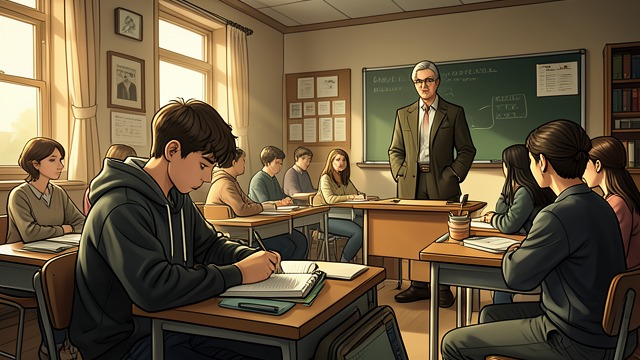
Hope Takes the Form of College
A future seems recoverable
When Nic asks to attend Hampshire College after rehabilitation, David agrees to consider it. Nic promises meetings, a sponsor, and a substance-free dorm, and his family hopes education can reconnect him with his earlier ambitions.
For a time he engages with classes, writing, and a relationship. David imagines that the life Nic wanted may still be within reach.
Hope overreaches
Nic’s relapse shows that school and opportunity cannot substitute for ongoing recovery. The family’s hopes are not foolish, but they are not protective forces strong enough to defeat addiction.
The Almost-Ordinary Year
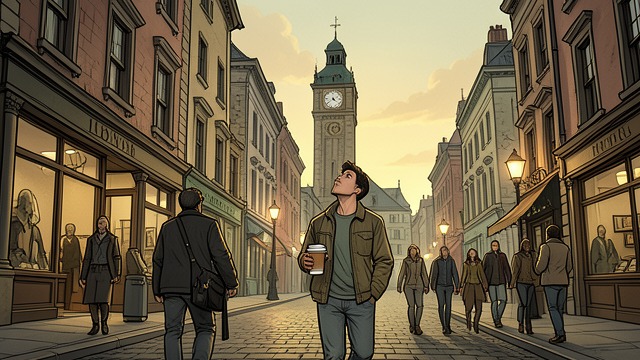
A Life That Looks Possible
Signs of renewal
Nic works in treatment, exercises, maintains friendships, and celebrates a year of sobriety. He says that he loves his life, giving David a rare reason to imagine a durable recovery.
David remains cautious but experiences the life Nic is building as meaningful in its own right. The progress includes ordinary accomplishments as well as dramatic milestones.
A renewed relapse
Nic later disappears after a painful breakup and relapses. The setback does not make the prior year unreal; it demonstrates that progress and vulnerability can coexist.
Praying for a Near Miss
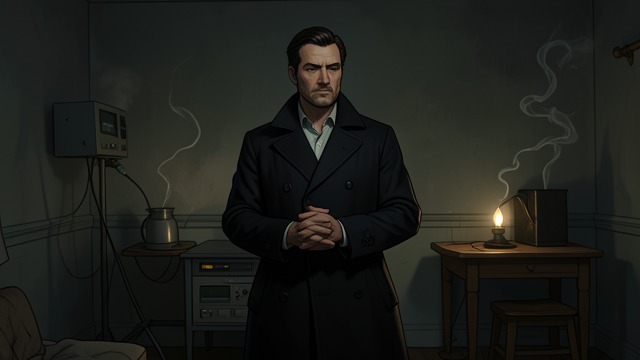
Hope Becomes a Plea
The wish for intervention
David prays for Nic to be healed and later admits that he wishes for a “near miss”: a crisis severe enough to force change, but not so severe that Nic is permanently harmed.
The wish exposes the terrible position addiction creates for a parent. David wants an event to interrupt the descent, even as he fears that catastrophe may instead kill his son.
Hope and danger together
Prayer does not give David a way to know what will happen. It expresses love and helplessness at the same time, without pretending that either can control the outcome.
A Modest Hope at the End
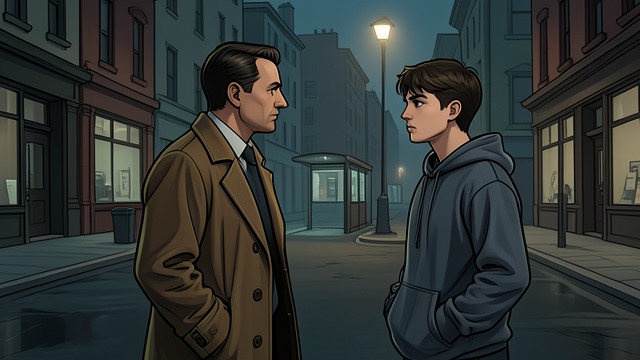
Belief Without Certainty
A son continues his life
Nic leaves treatment, finds work, starts a relationship, and resumes writing. David and Nic speak again, and David estimates that Nic may have been sober for about a year.
David does not mistake renewed contact for proof that addiction is behind them. He has learned how easily hope can become a claim stronger than the evidence.
Continuing to believe
David chooses to believe in Nic while accepting that he cannot know the future. Hope becomes a willingness to remain connected, not a guarantee of a happy ending.
During Nic Sheff’s early childhood
After Nic Sheff’s first treatment period
After Nic Sheff begins working at Promises
During Nic Sheff’s severe later relapse
In the epilogue
